Synthetic biology aims to design and construct novel biological components and biosystems or remodel existing biological systems via engineered design philosophies and technical methodologies to benefit human life. In recent years, accelerated advancements in underlying enabling technologies and applied scientific platforms, paired with robust policy support and massive capital inflows, have driven the rapid industrial translation of synthetic biology from laboratory research to commercial production. Currently, synthetic biology has been deployed across numerous segmented sectors. Industry insiders predict that up to 60% of existing products can be manufactured with synthetic biological technologies in the near future, and this cutting-edge discipline is spawning a host of booming sunrise industries.
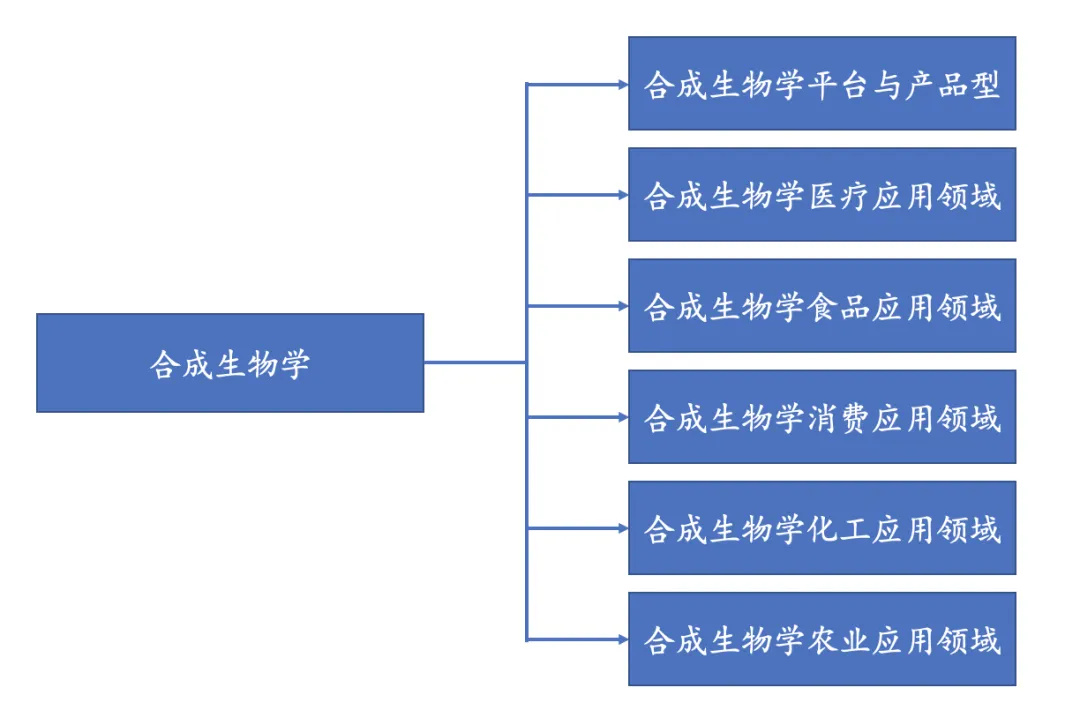
In our previous article, we outlined the synthetic biology industry with focused elaboration on core technologies and technical platforms. This article centers on detailed applications of synthetic biology across five key sectors: healthcare, food, consumer goods, chemical engineering & energy, and agriculture.
Figure 1. Framework of Synthetic Biology Industry Research Report (Source: Huayi Research Institute).
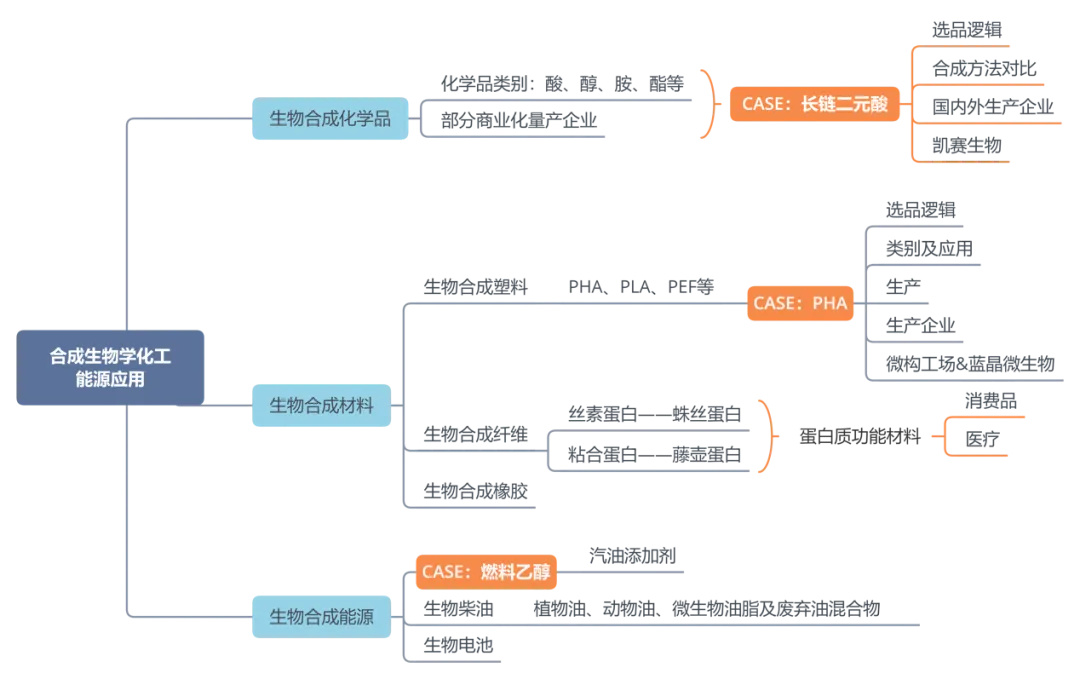
Synthetic biology finds wide applications in chemical and energy sectors, mainly covering fine chemicals, bio-based materials and biofuels.
Artificial microbial cell factories built based on synthetic biological principles can produce bulk industrial chemicals including ethanol, butanol, lactic acid, acrylic acid, glycerol, amino acids, organic acids, vitamins and microbial polysaccharides. For instance, Lygos engineered yeast strains to produce malonic acid from sugar and carbon dioxide; Green Biologics modified bacteria to synthesize butanol for paints, adhesives, detergents and fragrances. Leading domestic enterprises have rolled out flagship products: Cathay Biotech specializes in long-chain dicarboxylic acids and bio-based glutaric acid; NHU focuses on alanine products and D-calcium pantothenate; Xinri Hengli develops dodecanedioic acid.
From the industrial chain perspective, bio-based materials adopt renewable feedstocks such as grains, legumes and crop straw to synthesize high-molecular polymers and fundamental bio-based chemicals including bio-alcohols, organic acids, alkanes and olefins via biosynthesis. Further downstream processing yields bio-based plastics, bio-fibers and bio-rubber. Typical examples include biodegradable PHA, spider silk protein fiber, colorless polyimide for electronic devices and rigid mycelium-derived biomaterials. At present, Bluepha and Microbia have realized industrial-scale fermentation production of PHA biodegradable plastics.
In bioenergy field, synthetic biology optimizes raw material utilization, improves biomass conversion efficiency and innovates new bioenergy products, chiefly bioethanol, biodiesel and butanol. Lanza Tech leverages engineered microbes to convert waste CO₂ and methane emitted from steel mills and landfills into fuels and chemicals; Shenzhen Zhongke Lingcarbon pioneered a hybrid electro-biological pathway to transform captured carbon dioxide into high-value derivatives through coupled electrocatalysis and biosynthesis.
Biosynthetic routes optimize manufacturing and processing of chemicals, materials and fuels to reshape daily industries. Optimized fermentation elevates production efficiency and product quality for food and feed additives. Besides, de novo biosynthetic pathways enable creation of unprecedented novel materials, while advances in energy harvesting and energy storage unlock broader commercial prospects for biofuels. McKinsey’s research forecasts that the sector will generate an annual economic impact of USD 0.2–0.3 trillion in the coming 10 to 20 years, around three-quarters of which stems from resource efficiency gains enabled by innovative manufacturing methods. Such vast economic potential justifies sustained long-term investment and industrial attention toward synthetic biology.
Figure 2. Synthetic Biology Applications in Chemical & Energy Sectors (Source: Huayi Research Institute).
02 Applications of Synthetic Biology in Consumer Goods Industry
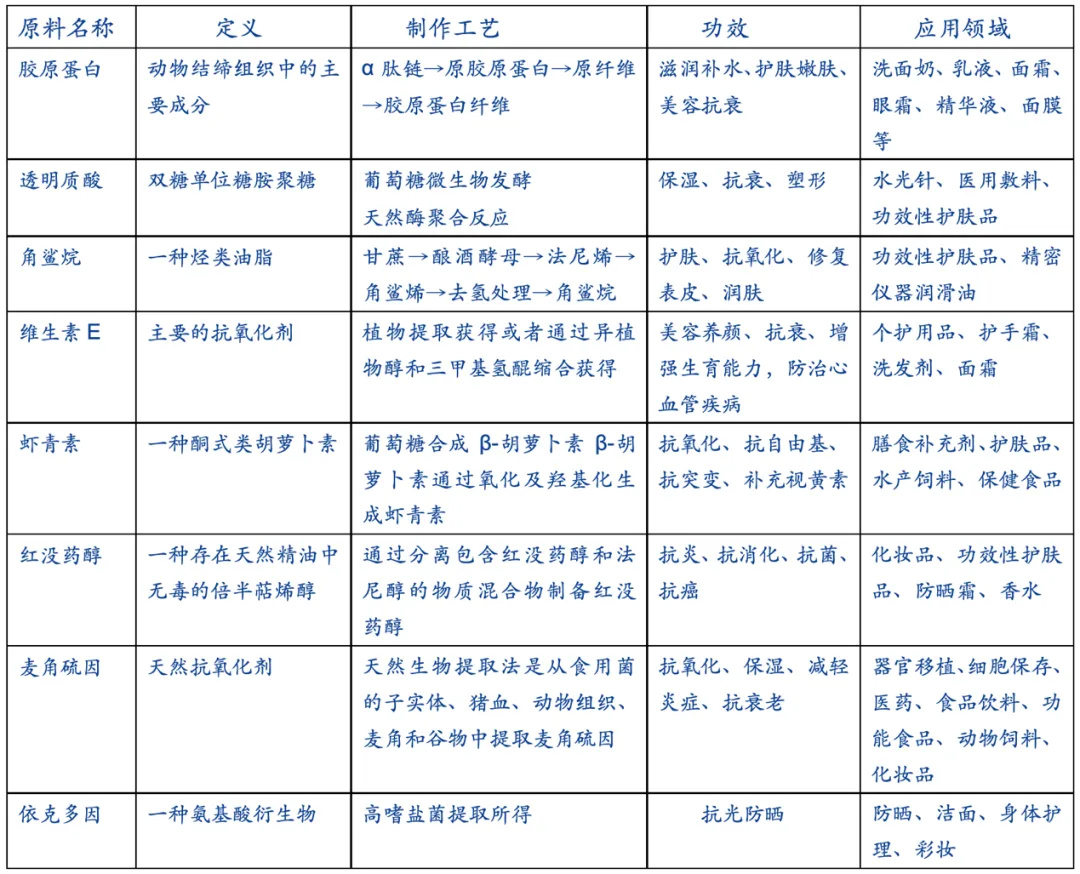
In beauty and personal care, synthetic biology enables production of purer, eco-friendly cosmetic ingredients to meet market demand for premium scarce natural extracts, substituting traditional raw materials and expanding market capacity. Apart from replacing conventional extraction routes to cut high planting costs and shorten cultivation cycles, synthetic biology can synthesize brand-new functional compounds. Mature recombinant collagen technology has accelerated large-scale commercial adoption in medical aesthetics and skincare, while mass-produced synthetic squalane drastically reduces production costs and environmental burdens compared with animal-derived squalane. Industry data indicates over 60% of functional raw materials for skincare and dietary supplements can be bio-manufactured via synthetic biology, with proven anti-aging, skin repair, anti-acne, soothing and anti-wrinkle efficacy verified through functional tests.
For dietary supplement sector, synthetic biology supports biosynthesis of high-value ginsenosides and other premium nutraceutical raw materials. Furthermore, customized personalized nutrition becomes feasible by combining gene sequencing and biosynthesis: tailored dietary supplements are developed based on individual genomic profiles to boost product added value.
Synthetic biology is expanding its footprint in bio-based feedstock development. Conventional leather manufacturing consumes massive chemicals and energy while discharging abundant wastewater and solid waste, causing severe environmental pollution. Engineered microbes can produce target proteins and polypeptides for artificial bio-leather, delivering sustainable green alternatives for the leather industry.
Figure 3. Typical Synthetic Biology Applications in Consumer Sector (Source: Huayi Research Institute).
03 Applications of Synthetic Biology in Food Industry
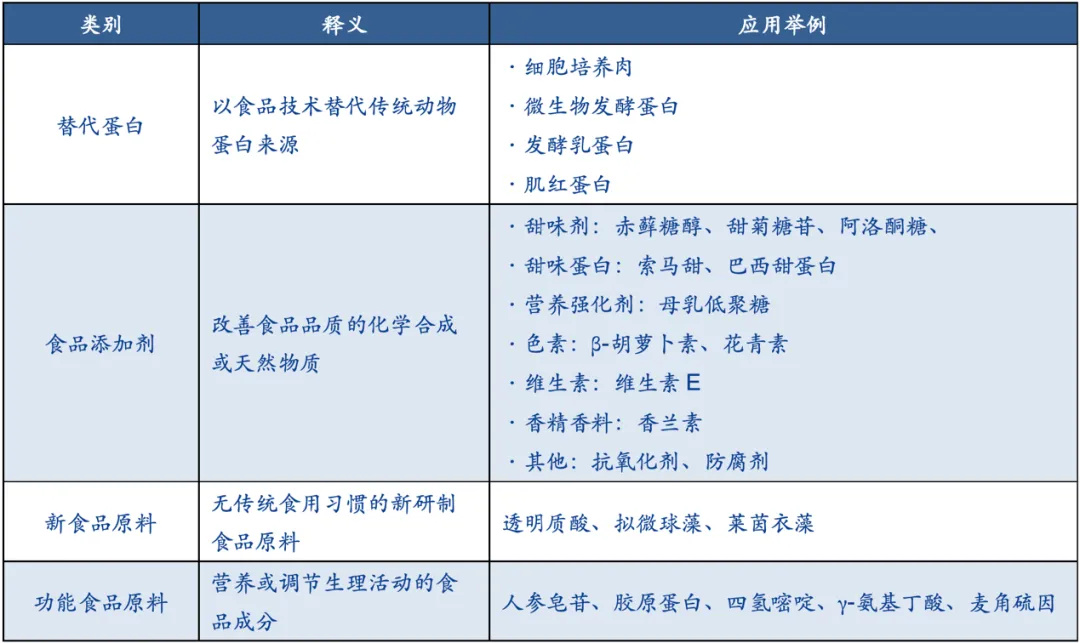
Synthetic biology fuels food R&D and establishes innovative scalable production technologies. Novel food is among the fastest-growing synthetic biology subdivisions, dominated by innovative and functional food development. Powered by cell culture and precision fermentation, microbial, animal and plant cells are engineered to manufacture alternative proteins, rare natural food compounds, microbial oils, food additives and functional raw materials, enabling controllable flavor, texture and morphology for safer, more nutritious and eco-sustainable food production.
Strict chassis cell screening is critical for food-grade biosynthesis. Though Europe and the US approve food products derived from non-food-grade chassis such as E. coli, selecting food-safe strains including yeast, Bacillus subtilis and Corynebacterium glutamicum remains essential, with further technical optimization required to mature relevant synthetic biological development.
Synthetic biology’s food application is still in early-stage development with fierce industrial competition and no dominant market leaders yet; only a handful of enterprises excel within niche product segments. Overseas investment concentrates on alternative protein and microbial fat including cultivated meat and cultured lipid, whereas Chinese firms prioritize functional food ingredients and novel food additives.
Figure 4. Representative Synthetic Biology Applications in Food Industry (Source: Huayi Research Institute).
04 Applications of Synthetic Biology in Agriculture
Synthetic biology improves agricultural productivity, optimizes crop varieties and cuts farming costs to advance sustainable agriculture. Core technical directions include enhancing photosynthetic efficiency for higher yield, engineering biological nitrogen fixation to reduce chemical fertilizer usage, and metabolic pathway remodeling for crop nutritional upgrade. Current agricultural applications cover yield improvement, pest control, animal feed development and breeding optimization. For crops, engineered photosynthesis boosts output, autonomous nitrogen fixation curtails fertilizer demand, rebuilt metabolism improves grain quality and bioengineered strains enable eco-friendly pest prevention; for livestock, bio-synthesized high-protein feed helps lower breeding cost. Such breakthrough technologies deliver revolutionary solutions for global farming challenges and fuel emerging formats including cellular agriculture, low-carbon agriculture and smart agriculture.
Extensive academic and industrial R&D has realized commercialization of multiple agricultural biotech solutions: artificial high-efficiency nitrogen-fixing consortia, synthetic microbiome, biopesticides, genetically modified sterile pests, bio-breeding strains, fermented microbial protein and next-generation industrial enzymes are all commercially available.
Global agrochemical giants including Bayer, Syngenta and BASF expand into synthetic biology via subsidiary setup, M&A and internal R&D departments to enrich product pipelines. Emerging biotech startups such as Pivot Bio, GreenLight Bio and Calysta enter the biopesticide market with differentiated niche products. The agricultural synthetic biology market remains highly fragmented without monopolistic leading corporations across mainstream or segmented tracks.
Developed countries boast superior technical maturity, complete regulatory frameworks and multiple approved marketed products, building solid product and patent moat via first-mover advantage. While China’s fundamental research matches global standards, low industrialization conversion ratio hinders commercial rollout: most domestic players are research-founded startups with limited market-ready flagship products pending product, technology and business model verification.
05 Applications of Synthetic Biology in Healthcare
Two core synthetic biology strategies apply to medical development: first, genetically engineered microbes synthesize pharmaceutical molecules or serve as live biotherapeutics, covering natural-product biosynthesis and microbiome medicines; second, cell engineering based on synthetic design enables customized cellular functions for organ transplantation, cell & gene therapy, vaccine development and pharmaceutical enzyme design. Specific medical use cases span vaccine development, cell/gene therapy, microbiome drugs, new drug discovery and manufacturing, xenotransplantation, gene editing, in-vitro diagnostics, medical consumables and biocatalytic enzymes for pharma production.
Multiple breakthrough technologies are categorized by short-, mid- and long-term commercialization timelines. Near-term achievable innovations include pathogen screening, non-invasive prenatal testing and DTC genetic testing alongside novel biosynthetic drug routes and optimized vaccine platforms; short-term upcoming launches cover CAR-T therapies for hematological malignancies and live microbiome therapeutics; mid-term focuses on gene-driven vector-borne disease control, solid-tumor CAR-T treatment and biological sensing devices; long-term frontier fields include transplantable stem-cell-derived organs and therapeutic embryo editing.
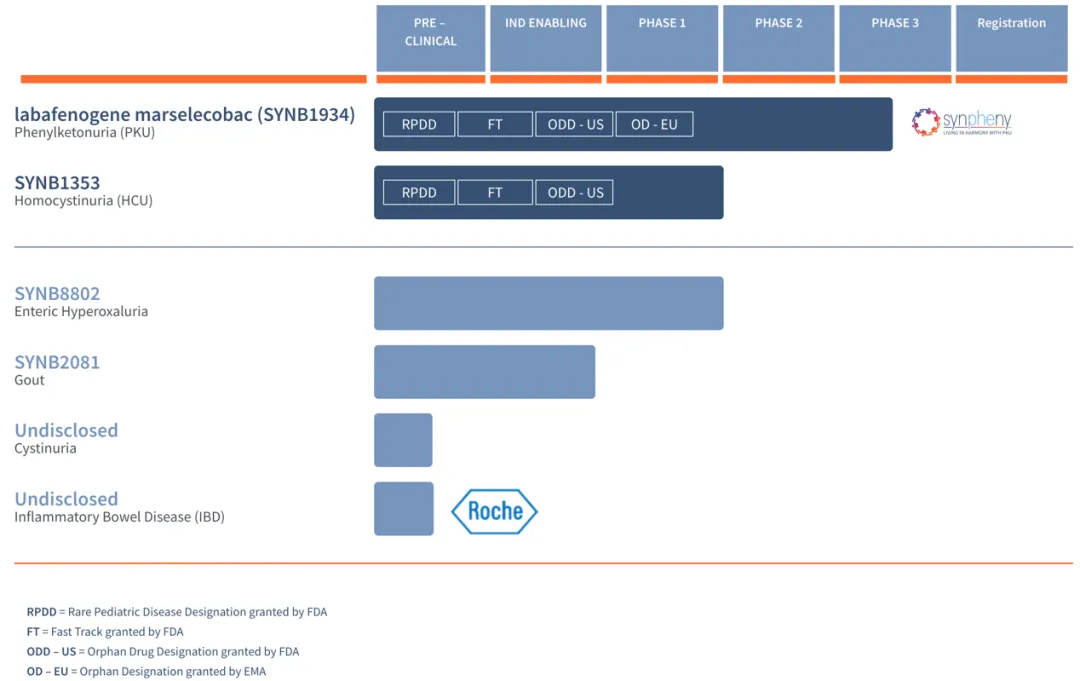
Synlogic, a leading global synthetic biotech firm, combines synthetic biology with classic pharmaceutical R&D to develop genetically engineered live bacterial therapeutics acting inside gastrointestinal tracts, pioneering the live biotherapeutic field for metabolic disorders including phenylketonuria (PKU) and primary hyperoxaluria as well as oncology indications. The company has established milestone R&D partnerships with Roche and Ginkgo Bioworks.
Figure 5. Synlogic Therapeutics Product Pipeline Layout (Source: Synlogic Therapeutics).
SYNB1934, Synlogic’s lead PKU candidate, entered Phase III clinical trial on June 5, 2023 to verify efficacy and safety. Phase II clinical data delivered consistent positive endpoints with remarkable plasma phenylalanine reduction, marking a potential transformative therapy for PKU patients. This pipeline stands as a flagship milestone proving synthetic biology’s profound value to human healthcare and a pacesetter for bacterial vector-based gene therapy.
06 Conclusion
Integrating biology, informatics, computer science, chemistry and material science, synthetic biology unlocks novel approaches to explore life origin and evolution and earns its reputation as the Third Biotechnology Revolution with enormous industrial potential as a high-growth investment track. Focused on targeted design, modification and de novo synthesis of living organisms, it constructs artificial biosystems with enhanced functions beyond natural counterparts and boasts promising commercialization across all industrial segments.
Cross-functional R&D and manufacturing teams jointly unlock industrial value of synthetic biology and translate cutting-edge technologies into daily-life applications. While synthetic biology is poised to reshape future industries sustainably, iterative trial-and-error across interdisciplinary teams remains indispensable. Entrepreneurs shall rationally deploy synthetic biology with full awareness of its advantages and limitations to avoid blind resource-wasting overinvestment; investors need to screen genuine commercial opportunities to deflate industrial bubble and steer healthy development of synthetic biology.
Disclaimer
Excerpted from March 2024 in-depth industry report Special Research Series on Synthetic Biology issued by Huayi Research Institute. All data and viewpoints within this report shall not be construed as definitive investment, legal, accounting or tax advice. Our company assumes no liability for any investment decisions made based on report content.
Source: Huayi Research Institute
Author: Aaron
Original Link: https://mp.weixin.qq.com/s/i91bn3D-y-1Jm-yUsX3B0g